KPV Peptide
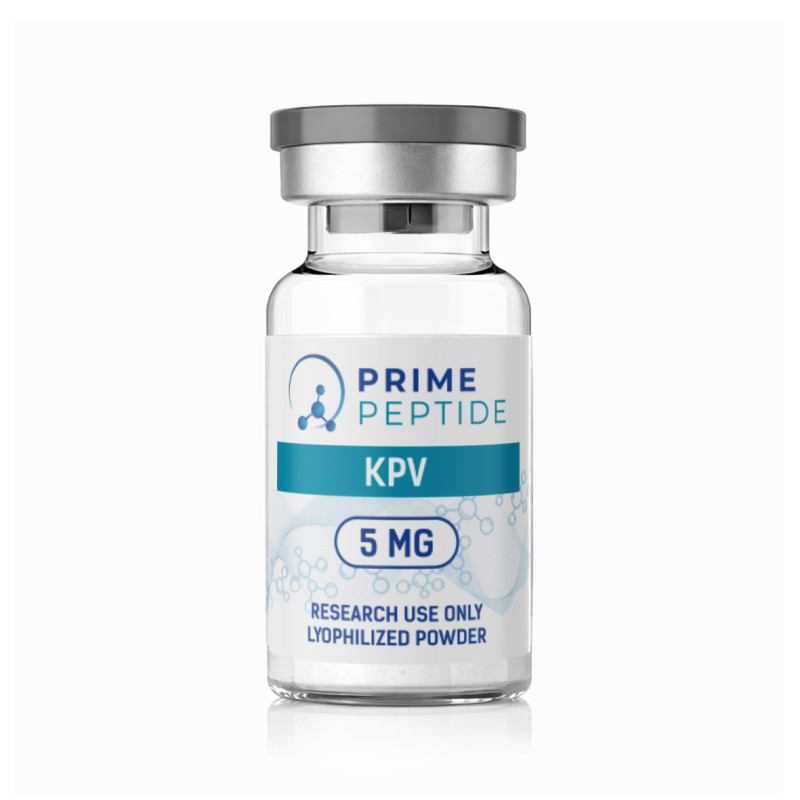
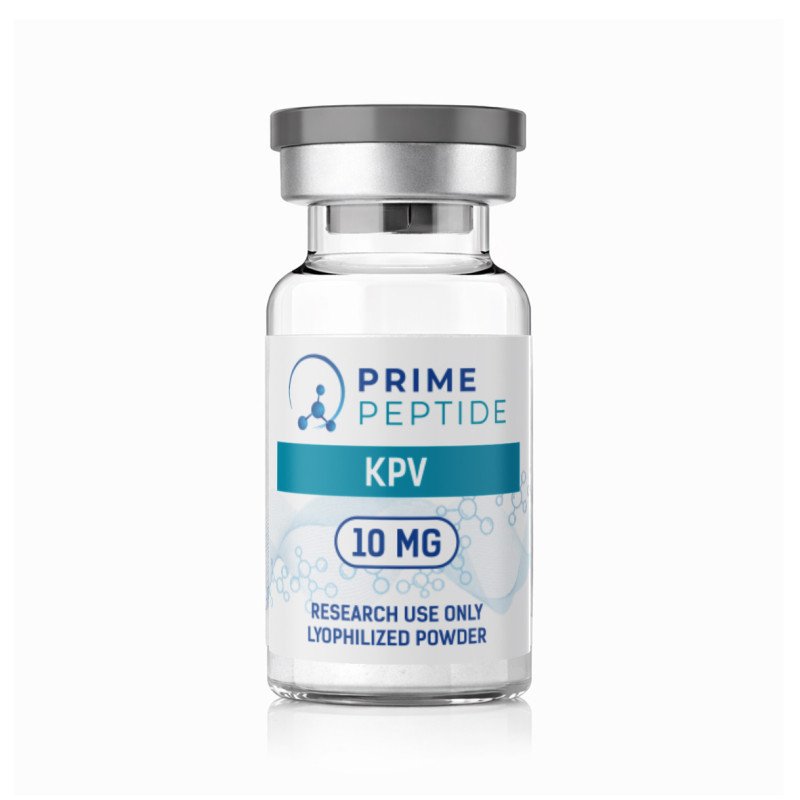
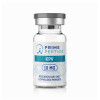
Available Options
Add more to your order:
🧪 Peptide Calculator
What is the total capacity of your syringe?
What is the amount of peptide in the vial?
How much bacteriostatic water will you add?
What is the dose?
What is KPV?
KPV is a short tripeptide composed of three amino acids: lysine, proline and valine. It represents an active fragment of α-MSH, a hormone that plays a key role in the regulation of inflammation and the immune response.
KPV is particularly interesting because it retains part of the biological activity of α-MSH, but without its pigmentation effects. This makes it primarily targeted at the anti-inflammatory mechanisms in the body.
The peptide acts as a modulator of inflammatory signals, affecting key mediators such as TNF-α, IL-6 and NF-κB. This means it does not simply suppress inflammation, but regulates and balances it at the cellular level.
One of the strongest characteristics of KPV is that it can act locally, especially in tissues such as the skin and intestinal mucosa, which makes it particularly interesting in dermatology and gastroenterology.
Because of this mechanism, KPV is regarded as a peptide with precise anti-inflammatory action, without aggressive interference in the immune system, which distinguishes it from classical anti-inflammatory approaches.
The peptide is actively researched in areas such as gastroenterology, dermatology and immunology, with interest mainly arising from its ability to influence inflammatory signals, tissue barrier function and local immune regulation.
Each of the three amino acids in its composition has a specific role. Lysine participates in immune function and tissue repair. Proline is key for collagen structure and tissue stability. Valine supports energy metabolism and protein synthesis. Their combination creates a peptide with a pronounced regulatory effect on inflammation and recovery.
What are the benefits of KPV?
Support for anti-inflammatory processes
KPV is associated with suppression of excessive inflammatory signals, influencing key mediators of inflammation and helping restore balance in tissues.
Support for the immune system
The peptide participates in modulating the immune response, supporting the body's normal reaction without stimulating it aggressively.
Supporting skin health
Thanks to its anti-inflammatory profile, KPV is being investigated for various skin conditions associated with redness, irritation and chronic inflammation.
Support for gut health
The peptide is particularly interesting in studies on the intestinal barrier and inflammatory processes in the digestive system.
Supporting tissue repair
By controlling the inflammatory environment, KPV creates conditions for more effective repair of damaged tissues.
Antimicrobial potential
In experimental models activity against certain microorganisms has been observed, which complements its role in maintaining tissue balance.
Clinical studies on KPV
KPV is the subject of numerous preclinical and experimental studies aimed at its anti-inflammatory properties.
In various models it has been observed that the peptide can reduce the activity of inflammatory mediators and affect signaling pathways such as NF-κB, which is central to the inflammatory response.
In intestinal models its role in maintaining barrier function and reducing inflammatory stress is being investigated. In dermatological studies an effect on skin cells has been observed, associated with lower inflammatory and oxidative load.
Other publications show that even as a short fragment of α-MSH, KPV retains significant biological activity, making it interesting as a minimalist yet effective regulatory peptide.
Proper administration and dosage of KPV
KPV is usually administered by subcutaneous injection, with the dosage depending on the objectives of the research protocol.
In practice the most commonly used:
250 – 500 mcg daily, the duration usually varies between 4 and 8 weeks, often applied in a cyclical approach with a pause afterward. If necessary the protocol can be repeated, as this approach helps preserve effectiveness and the sensitivity of cellular mechanisms.
Possible side effects of KPV
KPV is considered a well-tolerated peptide, especially due to its local and non-hormonal mechanism of action.
Most common side effects:
- mild redness at the injection site
- temporary discomfort
- headache
Less common reactions:
- mild nausea
- dizziness
Transient sensations related to the body's adaptation may also occur, such as slight fatigue or stomach discomfort. In most cases these reactions are mild and short-lived, especially with a well-structured protocol and moderate doses.
Comparison of KPV with other peptides
KPV belongs to the group of short-chain regulatory peptides with a primary focus on inflammation and immune balance. This places it in a different category compared to more popular regenerative peptides like BPC-157 and TB-500, which work mainly by stimulating restorative processes.
KPV vs BPC-157
BPC-157 is a peptide with a broad regenerative profile that stimulates tissue healing, angiogenesis and the recovery of muscles, tendons and the gastrointestinal tract. KPV, on the other hand, is not a direct regenerator but works by controlling the inflammatory environment, which is a key factor for proper recovery. In other words, BPC-157 builds and restores tissues, while KPV creates the conditions for this to happen effectively and without chronic inflammation.
KPV vs TB-500
TB-500 is a peptide with a more systemic action that stimulates cell migration, angiogenesis and overall regeneration of various tissues in the body. KPV is significantly more focused and acts mainly on inflammatory signals and immune regulation at a local level. While TB-500 accelerates physical recovery, KPV controls inflammation, which is often the primary reason for delayed recovery and tissue imbalance.
That is why KPV is often considered a complementary peptide, rather than a direct substitute for BPC-157 or TB-500.
The information on this website has been collected and summarized from numerous scientific studies and analyses.
It is of an entirely informational nature and is not intended for diagnosis, treatment or prevention of diseases.
The products offered on the site are not classified as drugs or medical devices and are suitable only for laboratory and research purposes.
0% Customers recommend this product
- 5 Awesome0%
- 4 Great0%
- 3 Average0%
- 2 Bad0%
- 1 Poor0%
Reviews Over KPV Peptide
- (0)
Total Reviews (0)
click here write review to add review for this product.