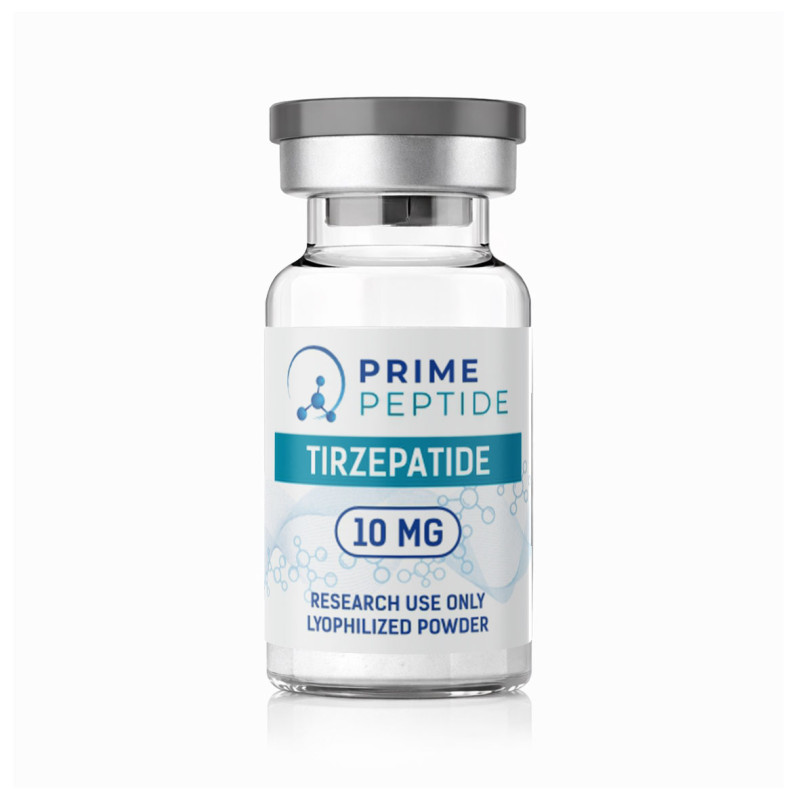
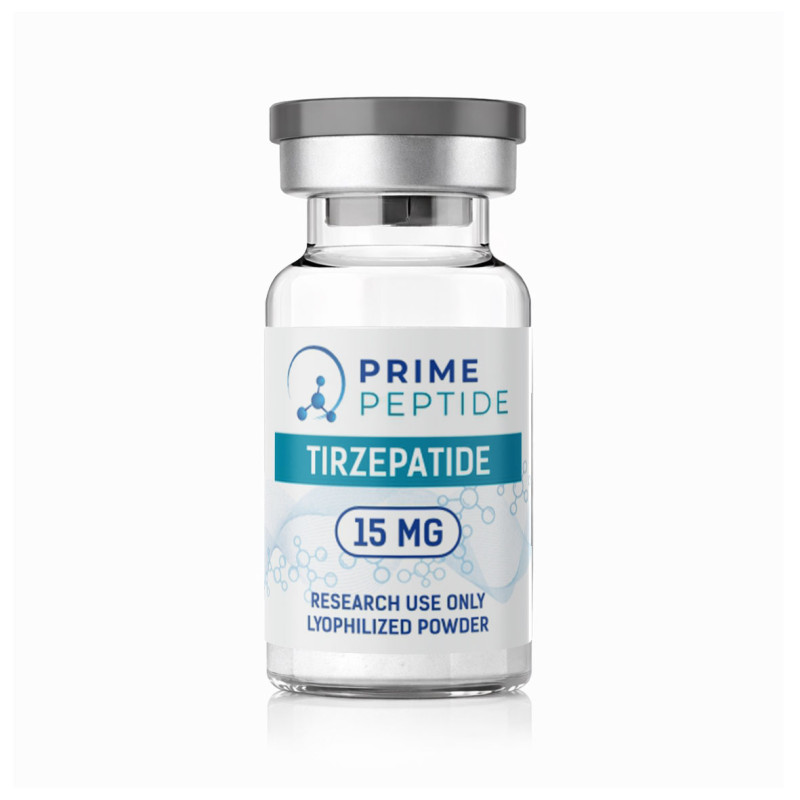
Tirzepatide
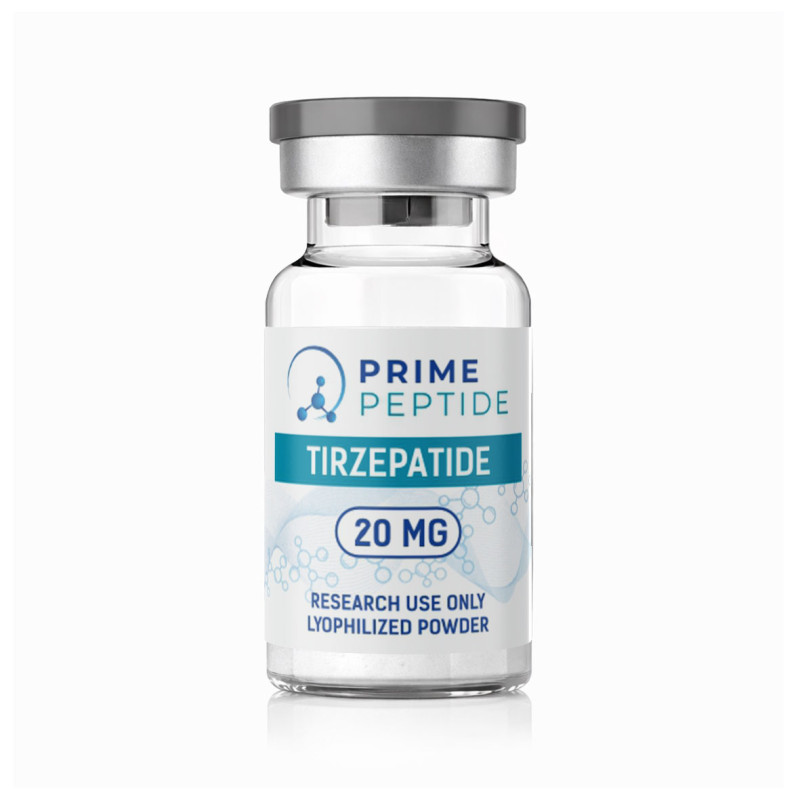
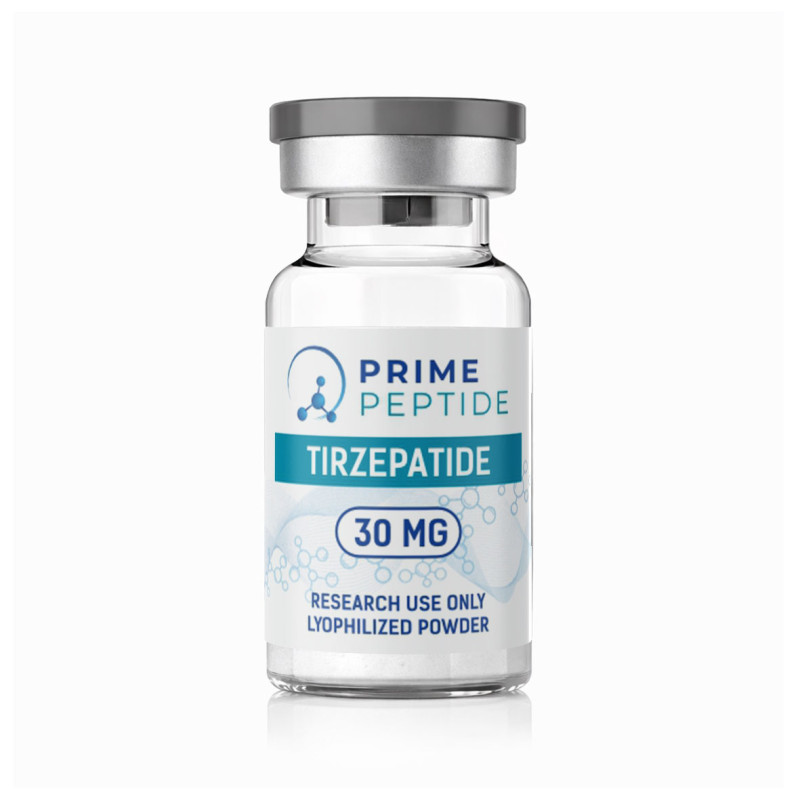
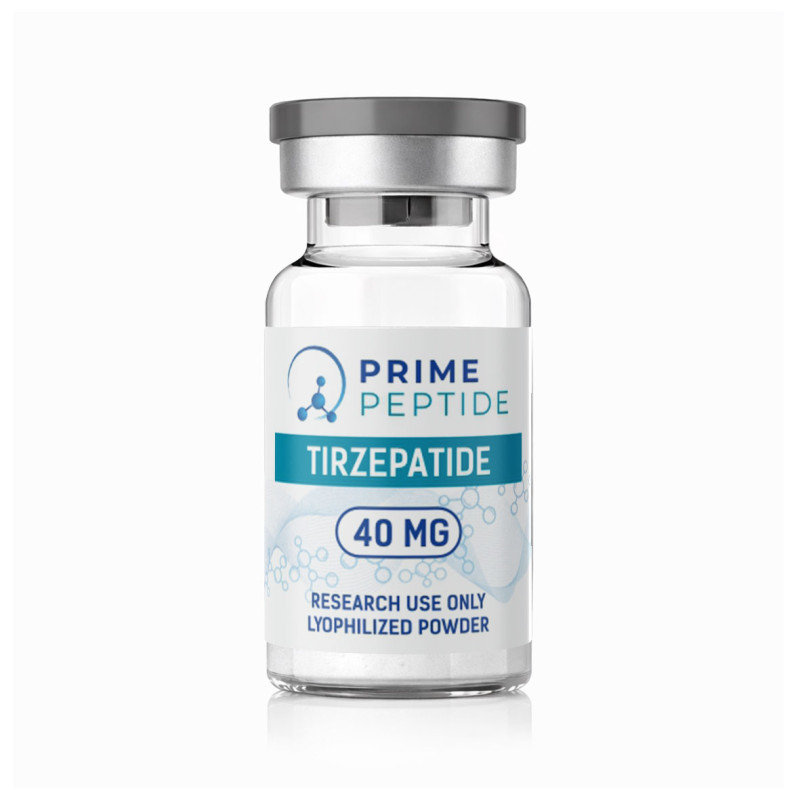
This offer ends in:
The product is not intended for human use and is offered solely for scientific research purposes. The information in the description is compiled and summarised from multiple scientific studies and analyses and is purely for informational purposes.
What is Tirzepatide?
Tirzepatide is a modern incretin peptide that works as a dual agonist of the GIP and GLP-1 receptors. This sets it apart from classic GLP-1 compounds and makes it one of the most potent substances in current research on metabolism and body composition.
The peptide works through several key mechanisms at the same time. On the one hand, it reduces appetite through action on the central nervous system, and on the other hand, it improves insulin sensitivity and glucose control. In addition, it slows gastric emptying, leading to a longer-lasting feeling of fullness.
Tirzepatide was originally developed for the treatment of type 2 diabetes, but quickly became the subject of serious interest in research into weight reduction and metabolic disorders.
Tirzepatide was first approved for type 2 diabetes in 2022, and later for the treatment of obesity and overweight. In the pharmaceutical industry, it is offered under the trade names Mounjaro and Zepbound, which contain the same active molecule developed by Eli Lilly.
What are the benefits of Tirzepatide?
Tirzepatide stands out because it combines several key mechanisms that directly affect appetite, metabolism and body composition. This makes it one of the most effective compounds in this category.
Appetite control
Tirzepatide works at the level of the central nervous system and leads to a clearly expressed reduction in hunger. In practice, this means a lower calorie intake without the need for forced food restriction.
Weight loss
One of the peptide’s strongest effects. Studies show a significant reduction in body mass, with a large part of the weight loss coming from fat tissue.
Improved insulin sensitivity
The peptide improves the way the body responds to insulin, resulting in better blood sugar control and a more stable metabolic environment.
Slowing gastric emptying
This extends the feeling of fullness after eating and reduces the frequency of eating throughout the day.
Influence on energy balance
Tirzepatide not only reduces calorie intake, but also affects how the body uses energy, which makes it effective in the long term.
Improved metabolic markers
It is associated with improvements in glucose levels, insulin and the lipid profile, making it a key tool in research into metabolic disorders.
Potential support for cardiovascular health
It is associated with improvements in weight, glucose control and the lipid profile, which are key factors for cardiovascular risk.
Clinical trials on Tirzepatide
Tirzepatide is one of the most intensively studied peptides in recent years, with large-scale clinical programmes and clear results.
In the series of clinical trials SURPASS, aimed at patients with type 2 diabetes, significant improvement in glucose control and weight loss was observed. At doses of 5, 10 and 15 mg per week, participants achieved a substantial reduction in HbA1c, as well as visible weight loss.
In the SURMOUNT studies, which are aimed at obesity and overweight in people without diabetes, the results are even more impressive. At higher doses and with prolonged intake, an average weight reduction of up to around 20% and more is observed.
Additional analyses show that Tirzepatide has a stronger effect than classic GLP-1 analogues, precisely because of its dual mechanism of action on the GIP and GLP-1 receptors.
These results position it as one of the most potent compounds in current research on metabolism and body composition.
Correct administration and dosage of Tirzepatide within a research protocol
Tirzepatide is administered via subcutaneous injection once a week, with the main principle being a gradual dose increase to achieve better tolerability.
A typical research protocol:
From week 1 to week 4, 2.5 mg; from week 5 to week 8, 5 mg; if necessary and well tolerated, the dose can be increased over four weeks by 2.5 mg, with a maximum permitted dose of 15 mg
The applications are made at the same time each week.
Gradual titration (dose increase) is key because it allows the body to adapt and significantly reduces the risk of side effects.
The duration of the protocol is usually between 8 and 16 weeks; for long-term studies, even longer administration may be used.
Possible side effects of Tirzepatide
As with all metabolic peptides, the reactions are dose-dependent and most often occur at the beginning.
Most common:
- nausea
- reduced appetite
- stomach discomfort
- bloating
- constipation or diarrhoea
Less common:
- vomiting
- dizziness
- a slight reduction in blood sugar
In most cases, symptoms decrease after adaptation to the dose, especially with proper titration.
The information on this website is compiled and summarised from multiple scientific studies and analyses.
It is purely for informational purposes and is not intended for diagnosis, treatment or prevention of diseases.
The products offered on the site are not classified as medicines or medical devices and are suitable only for laboratory and scientific research purposes.


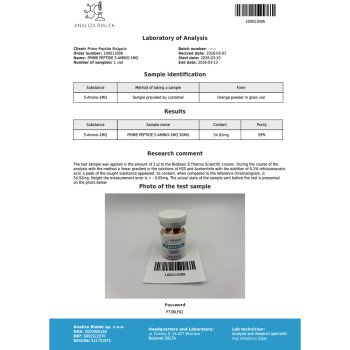
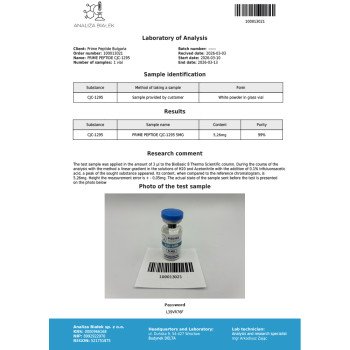
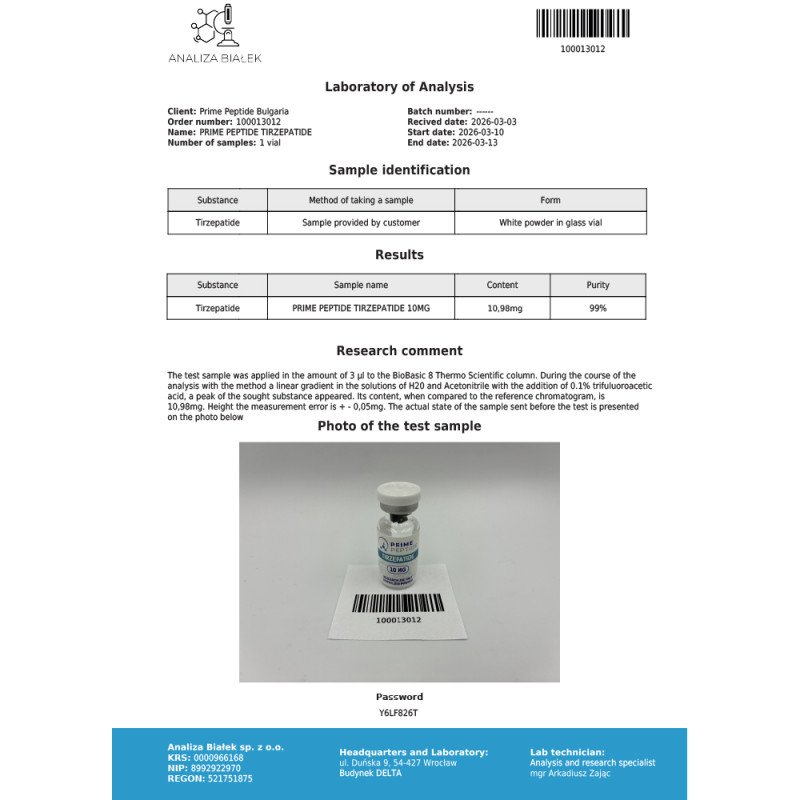
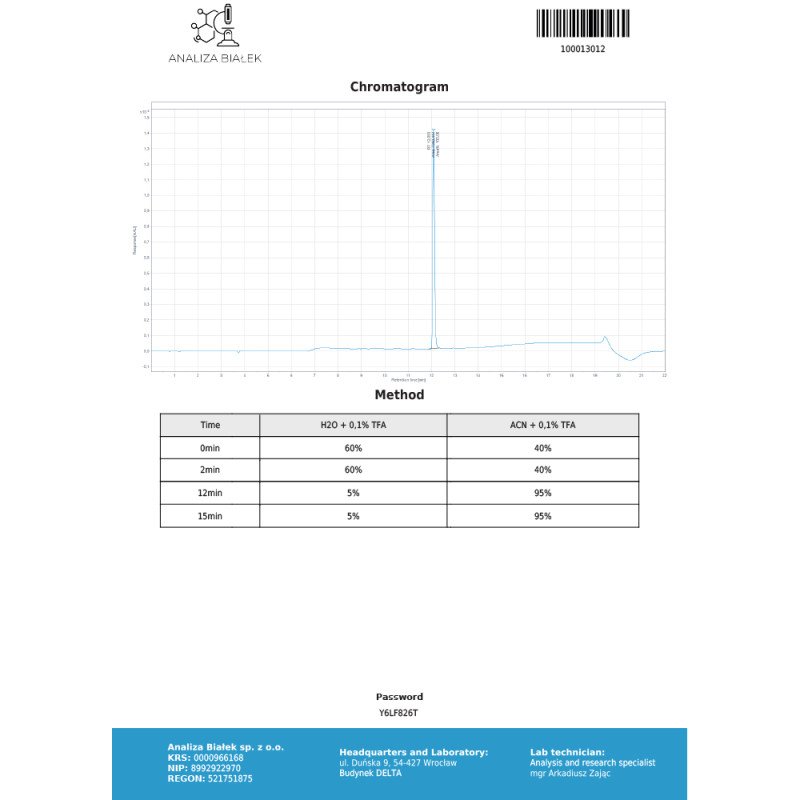
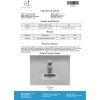
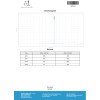
Check the authenticity of this certificate through the official website of the independent laboratory Analiza Bialek.