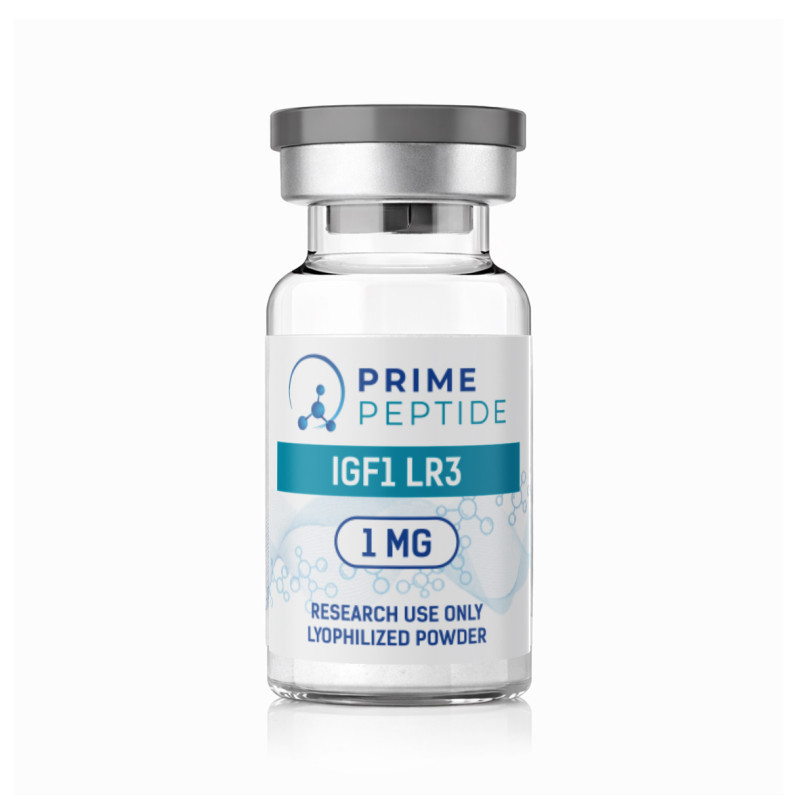
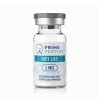
IGF-1 LR3 1mg
What is IGF-1 LR3?
IGF-1 LR3 (Insulin-like Growth Factor 1 Long R3) is a modified form of the insulin-like growth factor IGF-1 – a hormone that plays a key role in cell growth, tissue repair, and the development of muscle mass. In the human body, IGF-1 is produced mainly in the liver in response to the release of growth hormone (GH).
IGF-1 LR3 represents a laboratory-modified version of this factor, created to have longer action and greater biological activity. The modification includes the addition of an extra amino acid sequence at the end of the molecule, which significantly extends its half-life. Thanks to this structural change, IGF-1 LR3 remains active in the body much longer compared to natural IGF-1.
This extended activity allows the molecule to interact more effectively with cellular receptors that activate various intracellular signaling pathways. As a result, processes such as protein synthesis, cell division, and tissue growth are stimulated.
IGF-1 LR3 is actively researched in scientific fields such as cell regeneration, muscle physiology, and metabolic processes. Due to its anabolic properties, it also attracts attention in research related to muscle recovery, bone density, and tissue development.
What are the benefits of IGF-1 LR3?
Based on scientific research, IGF-1 LR3 is viewed as a molecule with potential significance for cell growth, tissue repair, and metabolic processes.
Stimulation of cell growth
IGF-1 LR3 may support processes of cellular proliferation and the development of various tissues in the body.
Support for muscle growth
In scientific studies, IGF-1 plays a key role in processes of muscle hypertrophy and protein synthesis, making it an important factor in the development of muscle mass.
Improved muscle recovery
IGF-1 LR3 may assist in the recovery of muscle tissue after physical exertion or microtrauma.
Support for tissue regeneration
The growth factor is involved in the regeneration processes of muscles, tendons, and other connective tissues.
Support for metabolism
IGF-1 is involved in the regulation of glucose metabolism and may influence the energy balance of cells.
Improving bone density
Some studies examine the role of IGF-1 in maintaining the strength of bone tissue.
Interest in regenerative medicine
Due to its ability to stimulate cell growth, IGF-1 LR3 is actively researched in the field of regenerative medicine and cell biology.
Clinical trials on IGF-1 LR3
IGF-1 and its modified forms are the subject of numerous scientific studies aimed at understanding their role in cell growth and tissue repair.
In various experimental models, IGF-1 has been observed to stimulate protein synthesis, cellular proliferation, and tissue regeneration processes.
Some scientific publications consider the potential role of IGF-1 in research related to metabolic disorders, muscular dystrophy, and disorders of glucose metabolism. In experimental conditions, increased IGF-1 activity has been observed to support muscle function and improve cellular metabolism.
Because of these properties, IGF-1 LR3 remains an important molecule in scientific research related to growth factors, metabolism, and tissue regeneration.
Proper administration and dosage of IGF-1 LR3
The exact dosage may vary depending on the goals of the study, the protocol used, and individual characteristics. Two main application protocols are encountered in scientific research.
daily administration:
This is one of the most commonly used research approaches, in which smaller doses are administered each day to maintain stable peptide levels in the body.
Typical dosage:
20 – 50 mcg once daily, for a period of 4 - 6 weeks.
administration several times per week:
In some research protocols, higher single doses are used, but with less frequent administration during the week.
Typical dosage:
100 mcg per administration, 2 – 3 times per week, for a period of 4 - 6 weeks.
Possible side effects of IGF-1 LR3
As with many bioactive peptides, administration of IGF-1 LR3 may be associated with some adverse reactions.
Most common side effects:
- mild lowering of blood sugar
- headache
- temporary fatigue
- mild nausea
- discomfort at the injection site
Less common reactions
- dizziness
In most cases, these reactions are mild and short-lived, especially when recommended dosages are followed.
Comparison of IGF-1 LR3 with other peptides
IGF-1 LR3 belongs to the group of insulin-like growth factors, which means it acts directly at the level of tissues and cells, rather than by stimulating the pituitary gland. This places it in a completely different category compared to GHRH and GHRP peptides, which work through the GH axis.
IGF-1 LR3 vs hGH (Somatotropin)
hGH stimulates the liver to produce IGF-1, which actually carries out a large part of the anabolic effects. IGF-1 LR3 bypasses this process and acts directly on receptors in tissues. The difference is that with hGH there is an intermediate step, while with IGF-1 LR3 the effect is direct and stronger at the local level.
IGF-1 LR3 vs Sermorelin
Sermorelin is a GHRH analog and stimulates the release of GH in a natural way. IGF-1 LR3 again bypasses this axis and acts directly on IGF-1 receptors. Sermorelin is more physiological and controllable, while IGF-1 LR3 is more powerful and direct in its action.
IGF-1 LR3 vs PEG-MGF
PEG-MGF is a local growth factor that is released during muscle damage and stimulates satellite cells. IGF-1 LR3 has a broader systemic effect and stimulates cell growth in various tissues. The difference is that PEG-MGF is more local and targeted toward muscle regeneration, while IGF-1 LR3 acts more globally.
The information on this website has been collected and summarized from numerous scientific studies and analyses.
It is entirely informational in nature and is not intended for the diagnosis, treatment, or prevention of diseases.
The products offered on the site are not classified as medicines or medical devices and are intended solely for laboratory and scientific research purposes.


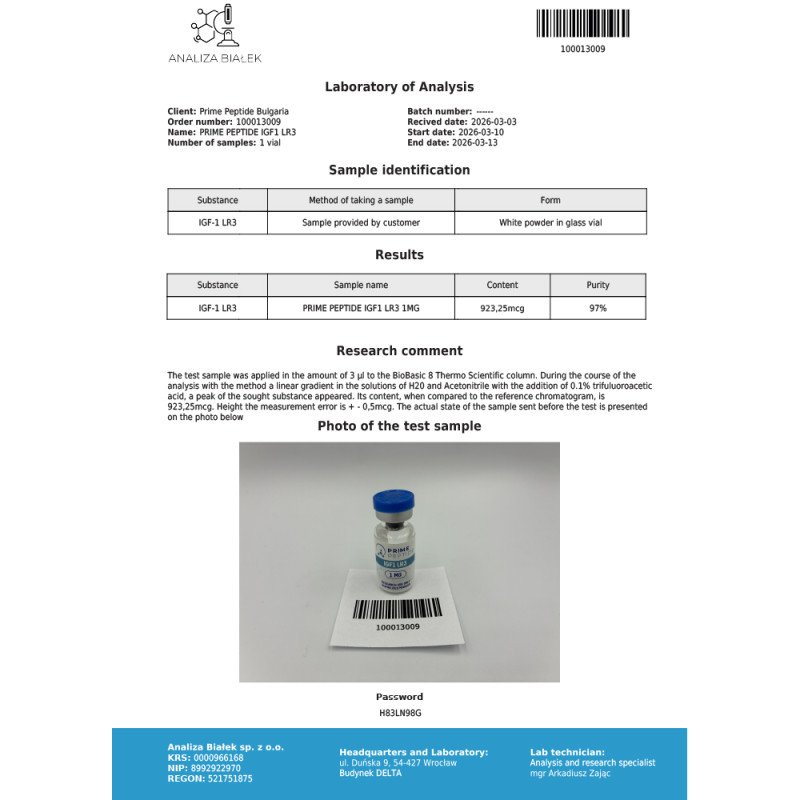
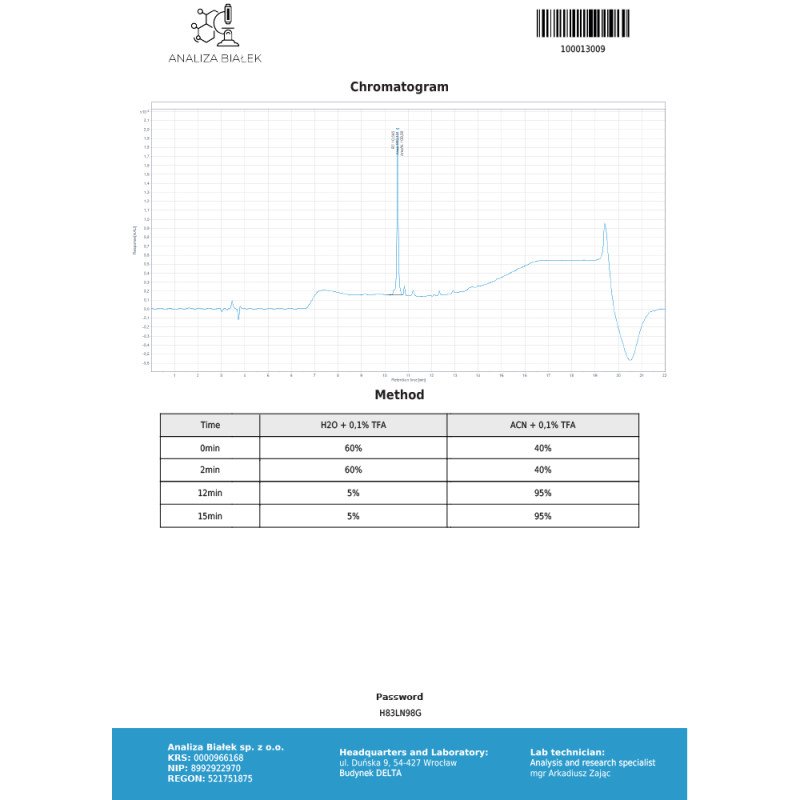
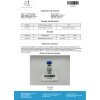
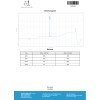
Check the authenticity of this certificate through the official website of the independent laboratory Analiza Bialek.