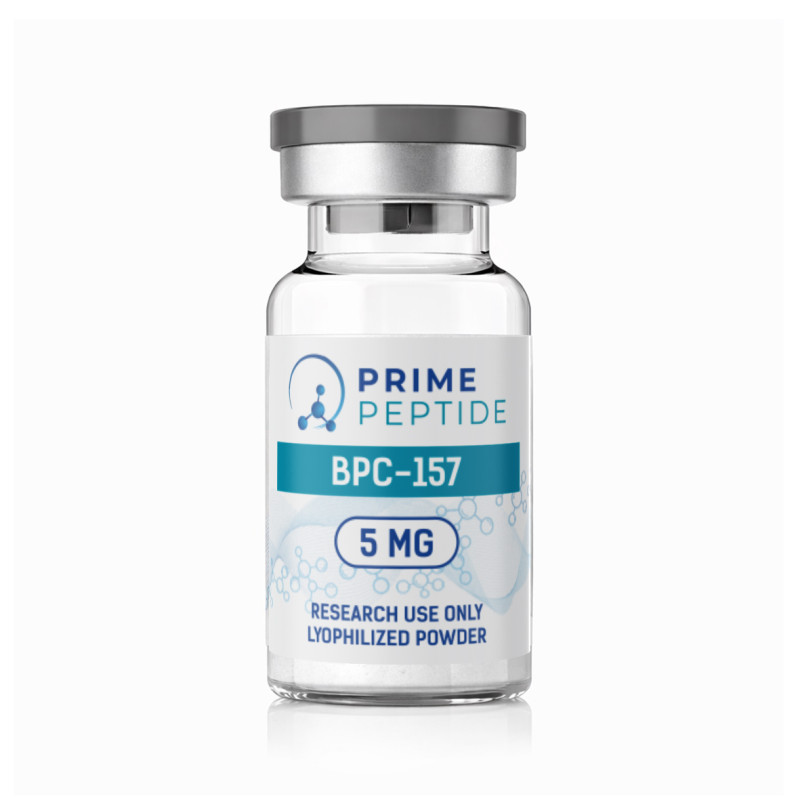
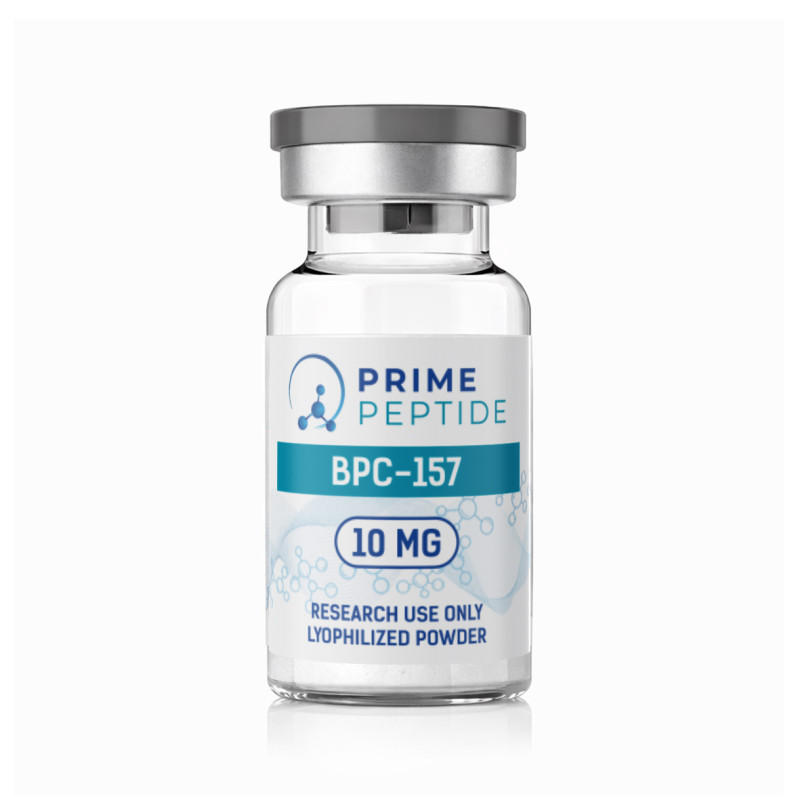
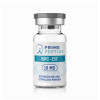
BPC-157
Available Options
Add more to your order:
🧪 Peptide Calculator
What is the total capacity of your syringe?
What is the amount of peptide in the vial?
How much bacteriostatic water will you add?
What is the dose?
Growth Hormone (HGH) is a hormone with wide-ranging effects across the body, including on IGF-1, metabolism, recovery, and body composition. BPC-157 is not a hormonal agent and does not act through the GH axis, but through local regenerative and protective mechanisms.
What is BPC-157?
BPC-157 (Body Protection Compound-157) is a synthetic peptide composed of 17 amino acids, derived from a protein naturally found in gastric juice. It was initially studied for its protective effect on the gastrointestinal tract, but over time it became clear that its action is much broader.
The peptide has attracted significant attention because of its ability to influence key cellular processes related to tissue repair and regeneration. One of the most important mechanisms associated with it is angiogenesis — the process of forming new blood vessels. This is critical for delivering oxygen and nutrients to damaged areas and significantly accelerates recovery.
BPC-157 is being studied in a wide range of applications, from muscle injuries, tendons and joints, to inflammatory conditions and tissue damage. Data indicate that it may help not only recovery but also the protection of various organs and systems in the body.
Because of these properties, the peptide is used in research related to sports physiology, recovery after injuries, surgical interventions and chronic inflammatory processes.
BPC-157 is especially popular among active athletes, as it supports faster recovery, reduces the risk of injuries, and allows a quicker return to training.
The peptide is not approved as a medicinal product by the FDA or EMA and is mainly used in scientific and research settings.
What are the benefits of BPC-157?
Accelerated recovery
BPC-157 aids the healing of muscles, tendons and ligaments.
Tissue regeneration
It is associated with improved regeneration of various tissues in the body.
Improved joint comfort
Supports joint and cartilage health.
Angiogenesis
Stimulates the formation of new blood vessels and improves blood supply.
Support for the gastrointestinal tract
Associated with protection and restoration of the gastric mucosa.
Anti-inflammatory effect
Helps reduce inflammatory processes.
Improved post-operative recovery
Associated with faster healing after surgical interventions.
Support for organs
Being investigated for protective effects on the liver, heart and other tissues.
Improving athletic performance
Supports faster recovery and improved endurance.
Support for bones
Associated with processes involved in bone tissue healing.
Clinical studies on BPC-157
BPC-157 is the subject of numerous preclinical studies that show significant potential for tissue repair and acceleration of healing processes.
In scientific models, accelerated recovery of muscles, tendons and joints is observed, as well as improvements in inflammatory conditions. Data indicate that the peptide supports cellular regeneration by improving blood supply and activating processes related to the growth of new tissues.
Additional studies examine its effect on chronic inflammations, reporting potential to reduce the inflammatory response and improve the overall condition.
In the context of sports science, the results show faster recovery after exertion and better adaptation of the body to physical stress.
Proper administration and dosage of BPC-157
BPC-157 is typically administered via subcutaneous injection, with research protocols most commonly using doses in the range of 250 to 500 mcg daily.
Administration can be once daily or split into two daily doses, and it is often used locally near the affected area for a more targeted effect.
The duration of use usually ranges from several weeks to 3 months, depending on specific needs and goals.
Possible side effects of BPC-157
BPC-157 is considered a well-tolerated peptide, and so far there is no significant evidence of serious adverse effects with proper use.
Mild stomach discomfort, nausea, or slight redness at the injection site may be observed, which are usually transient.
Comparison of BPC-157 with other peptides
BPC-157 vs TB-500
Both peptides are among the most popular for recovery. TB-500 is more often associated with cell migration, mobility and systemic recovery, while BPC-157 is better known for local regeneration, tendons, the gastrointestinal tract and broader tissue protection.
BPC-157 vs GHK-Cu
GHK-Cu is more strongly targeted at skin, collagen, hair and aesthetic regeneration. BPC-157 is a more functional choice for injuries, tendons, joints and sports recovery.
BPC-157 vs KPV
KPV is a short-chain peptide with a primarily anti-inflammatory and barrier profile, especially for skin and intestines. BPC-157 has a more pronounced regenerative profile on tissues and mechanically loaded structures.
BPC-157 vs Growth Hormone (HGH)
Growth Hormone (HGH) is an exogenous growth hormone with wide-ranging effects across the body, including IGF-1, metabolism, recovery and body composition. BPC-157 is not a hormonal agent and does not act through the GH axis, but through local regenerative and protective mechanisms.
The information on this website has been collected and summarized from multiple scientific studies and analyses.
It is for informational purposes only and is not intended for diagnosis, treatment, or prevention of diseases.
Products offered on the site are not classified as medicines or medical devices and are intended solely for laboratory and scientific research purposes.


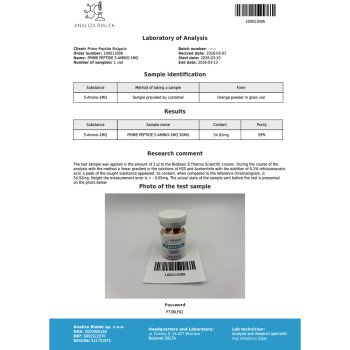
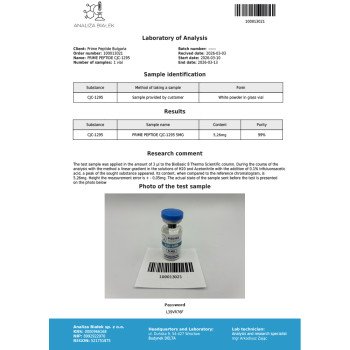
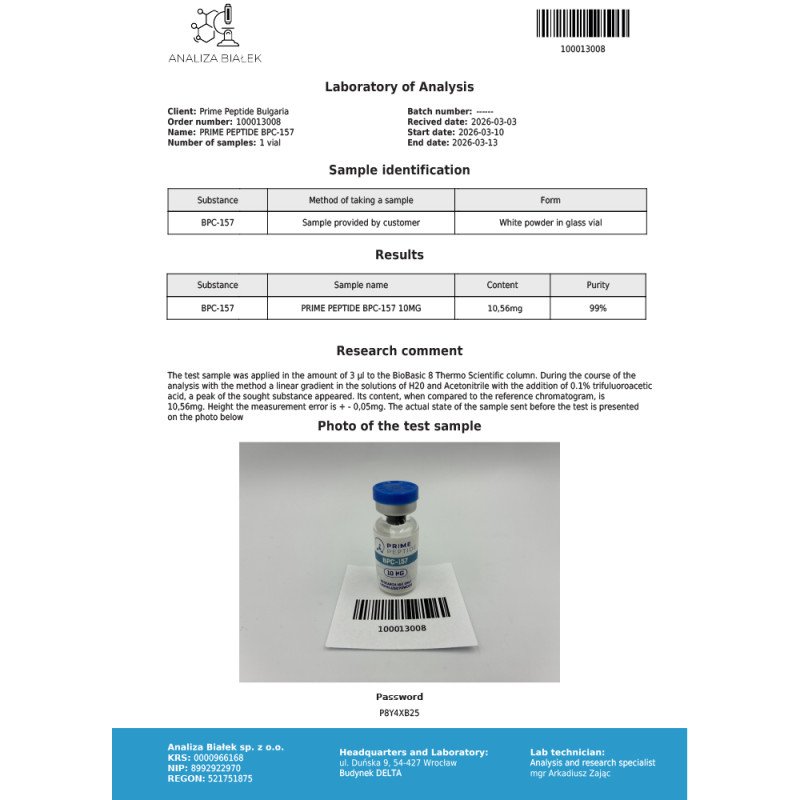
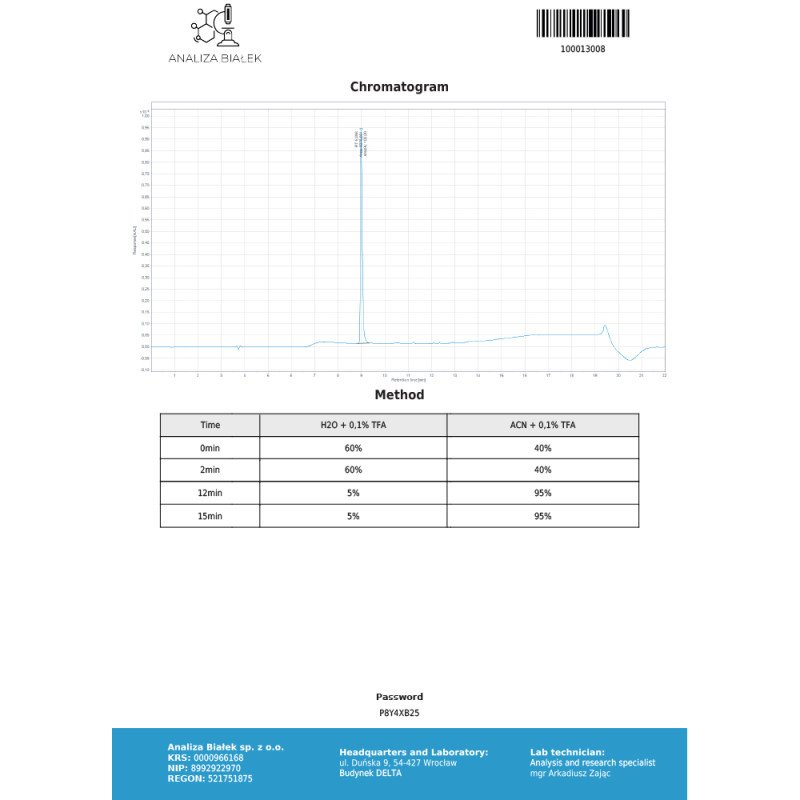
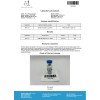
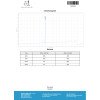
Verify the authenticity of this certificate through the official website of the independent laboratory Analiza Bialek.
0% Customers recommend this product
- 5 Awesome0%
- 4 Great0%
- 3 Average0%
- 2 Bad0%
- 1 Poor0%